Best reef-safe sunscreen for Water Parks in 2026
Twenty years ago when I was working at Oceans of Fun in Kansas City, sunscreen meant one thing: that thick, white zinc oxide paste that made you look like a ghost.
Fast forward to today, and I'm standing in line at Schlitterbahn watching families spray on clear, reef-safe formulations that protect better than anything we had back then.
The water park sunscreen game has completely changed.
After testing dozens of sunscreens across water parks in Texas, Florida, and California, I've learned that not all "reef-safe" labels mean the same thing.
The 2026 ranking
| Rank | Sunscreen | SPF | Size | Price | Cost/oz | Best for |
|---|---|---|---|---|---|---|
| 1 | Thinkbaby Safe Sunscreen | 50+ | 6 oz | $12 | $2.00 | Most families |
| 2 | Blue Lizard Sensitive | 30+ | 5 oz | $9 | $1.80 | Best value |
| 3 | Raw Elements Eco Formula | 30 | 3 oz tin | $16 | $5.33 | Maximum reef protection |
| 4 | Stream2Sea Sport | 30 | 3 oz | $16 | $5.33 | Beach + water park combo trips |
| 5 | Badger Classic Unscented | 30 | 2.9 oz | $8 | $2.76 | Organic, minimal ingredients |
:::key
Default pick: Thinkbaby Safe Sunscreen SPF 50+. Best combination of protection, longevity at water parks, and reasonable price for most families.
:::
Why reef-safe sunscreen matters at water parks
Most water parks don't require reef-safe sunscreen like Hawaii and Key West do. But parks with lazy rivers and wave pools often have surprisingly diverse ecosystems.
The artificial reefs at Discovery Cove in Orlando and the natural spring water at several Texas parks support fish, turtles, and aquatic plants that can be affected by chemical sunscreens.
:::stat
6–8 hours of reapplication every two hours = a lot of chemical runoff into recycled water systems.
:::
| Mechanism | How it works | Water park performance |
|---|---|---|
| Chemical sunscreen | Absorbs UV, converts to heat | Washes off faster, runs into water |
| Mineral sunscreen (zinc oxide, titanium dioxide) | Reflects rays from skin surface | Stays put longer, less runoff |
What makes sunscreen "reef-safe"
The term "reef-safe" isn't regulated by the FDA, so manufacturers can slap it on almost anything.
:::warning
I've seen products labeled reef-safe that still contain oxybenzone. The label alone is meaningless — you have to read the active ingredients.
:::
What to actually look for:
- Hawaii and Key West compliant — no oxybenzone or octinoxate (your baseline)
- Mineral-only formulations — zinc oxide and/or titanium dioxide as actives
- Non-nano particles — larger minerals that aren't absorbed by coral
- Biodegradable formulations — Stream2Sea and Raw Elements both publish biodegradability data
My top 5 reef-safe sunscreens for water parks
1. Thinkbaby Safe Sunscreen SPF 50+
After using this at Volcano Bay, Schlitterbahn, and six other major water parks, Thinkbaby consistently stays put longer than any other mineral sunscreen I've tested.
The 20% zinc oxide formula doesn't sting when it gets in your eyes, which happens constantly on water slides.
The thick consistency means you use less product per application, making the $12 price point reasonable. Slight white cast, but way less than most zinc-based formulas.
I watched my nephew use this during a full day at Kalahari Wisconsin Dells without any burning, despite his pale Irish skin.
Best for: Families who want maximum protection and don't mind a slight white tint
Available at: Amazon and most Target stores
Water resistance: 80 minutes
2. Blue Lizard Australian Sunscreen Sensitive SPF 30+
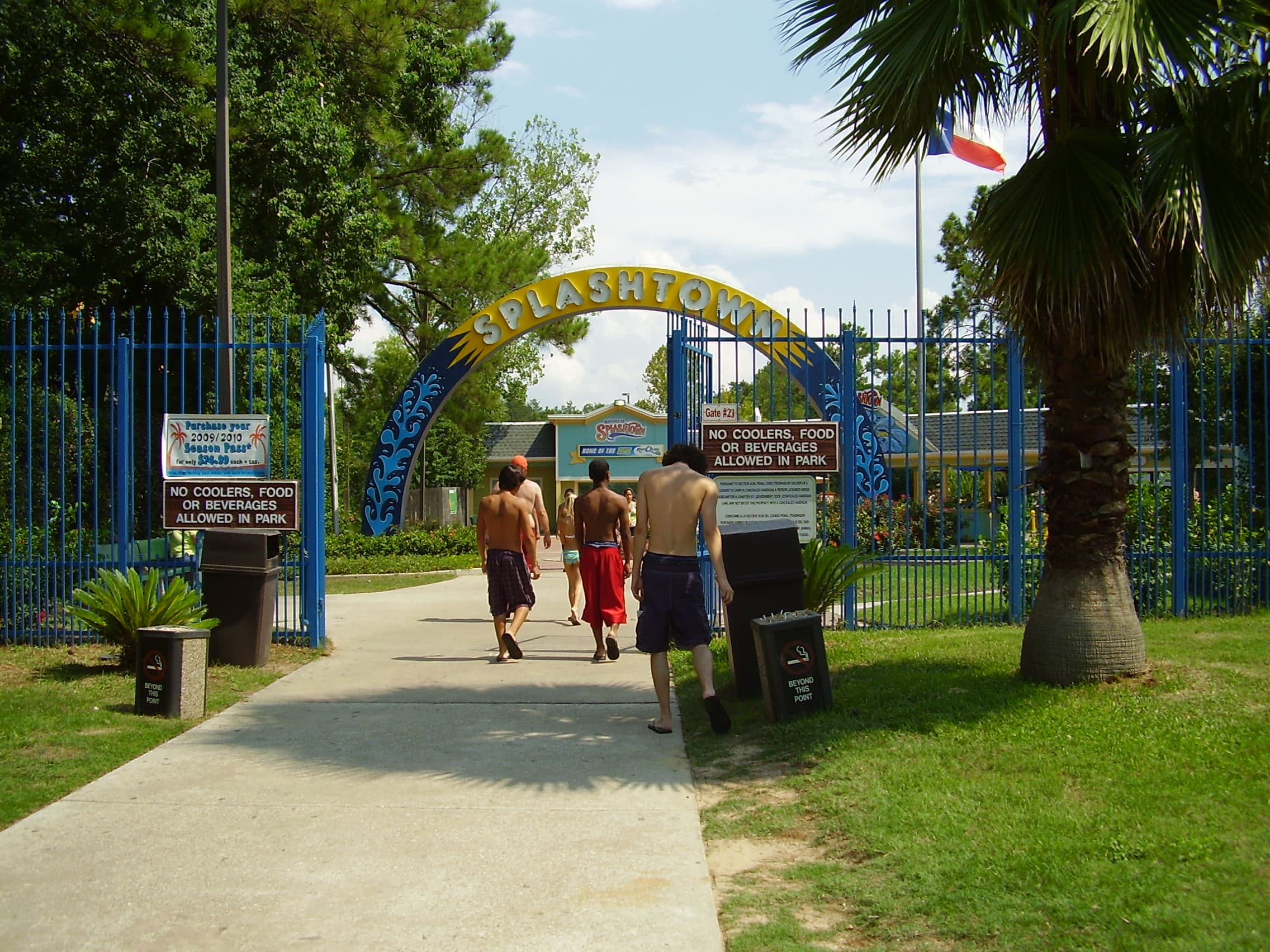
This titanium dioxide and zinc oxide blend surprised me at Splashtown Houston.
Despite being "only" SPF 30, nobody in our group of eight burned during a scorching July day. The bottle changes from white to blue in UV light, which is actually useful for knowing when you need shade.
:::tip
At $9 per bottle, Blue Lizard is the best value on this list. Stock up at CVS or Walgreens during spring sales.
:::
The consistency is perfect for water parks — thick enough to stay on through multiple slide rides but thin enough to rub in completely.
Best for: Sensitive skin and budget-conscious families
Available at: Most pharmacies and Amazon
Water resistance: 80 minutes
3. Raw Elements Eco Formula SPF 30
I discovered this brand through a marine biologist who works with the coral restoration project in Key West.
Raw Elements publishes third-party testing data showing their formula is truly biodegradable within 72 hours in seawater.
The 23% non-nano zinc oxide provides excellent coverage, but you'll need to work it in thoroughly. I used this exclusively during a week at various Florida water parks and had zero burning.
The tin packaging is annoying at water parks (plastic tubes are better), but the formula is worth it.
Best for: Environmentally conscious visitors who want maximum reef protection
Available at: Raw Elements website and select Whole Foods
Water resistance: 80 minutes
4. Stream2Sea Sport Sunscreen SPF 30
Developed specifically for marine environments, Stream2Sea is approved by the National Park Service and used at several water parks with natural spring systems.
The 25% non-nano zinc oxide formula stays white when you first apply it, but disappears completely within 2–3 minutes.
I tested this at Rainbow Springs State Park's natural swimming area and at Aquatica San Diego. Zero burning, minimal eye stinging, and it photographs well for family pics.
Best for: Water parks with natural water features or visitors planning beach trips too
Available at: Stream2Sea website and dive shops
Water resistance: 80 minutes
5. Badger Classic Unscented SPF 30
This organic zinc oxide sunscreen works well for families who want minimal ingredients.
:::stat
Just four components: zinc oxide, organic sunflower oil, organic beeswax, organic coconut oil.
:::
I used this at Schlitterbahn's spring-fed pools and had no issues.
The major downside is application — you need to warm it up between your hands or it goes on too thick. But once applied properly, it stays put through hours of water activities. Great for toddlers who put everything in their mouths.
Best for: Families wanting organic ingredients and minimal chemical exposure
Available at: Most health food stores and Amazon
Water resistance: 80 minutes
Application tips I've learned from 20+ years of water park visits
Pre-park
:::tip{title="Apply 30 minutes before the park, not in the parking lot"}
Mineral sunscreens need time to bond with your skin. I learned this the hard way during my first season at Oceans of Fun when I watched dozens of guests burn because they applied sunscreen at the gate.
:::
How much to use
The FDA's testing assumes 1 ounce (2 tablespoons) for your entire body. Most people use half that amount. At water parks where you're wet constantly, err on the side of too much.
Reapplication
| Setting | How often |
|---|---|
| Beach | Every 2 hours (bottle says) |
| Water park | Every 1 hour — more activity, more toweling, more sliding |
Don't forget
- Feet (I see burned feet constantly)
- Ears
- Lips — zinc-based lip balm is essential, regular balm washes off immediately
- Back of neck on raft slides
What doesn't work at water parks
| Product type | Why it fails |
|---|---|
| Spray sunscreens | Can't see coverage when wet; missed spots = burns |
| SPF over 50 | Mostly marketing — SPF 30 = 97%, SPF 100 = 99% |
| Sunscreen-moisturizer combos | You reapply often; don't need extra moisturizer |
| Sunscreen-bug spray combos | Same problem; products have different reapply needs |
Quick facts
- All reef-safe sunscreens take 30 minutes to be effective — apply before leaving your hotel
- Mineral formulas last longer in water than chemical ones but require more effort to rub in
- SPF 30 blocks 97% of UV rays — higher SPF is mostly marketing
- Reapply every hour at water parks, not every two hours like beach use
- Non-nano particles are definitely reef-safe but may leave more white residue
The bottom line
:::key
Thinkbaby Safe Sunscreen offers the best combination of protection, longevity, and reasonable price for most families. If you have sensitive skin or a tight budget, Blue Lizard Australian Sunscreen performs nearly as well for $3 less. For trips that combine water parks and natural reef areas, Stream2Sea is worth the extra cost.
:::
The best sunscreen is the one you'll actually use consistently. All five options on this list will protect your family better than the chemical sunscreens most people grab at the park gift shop.
For the rest of your packing list, see what to bring to a water park.
Brian Williams
Brian has been passionate about water parks since childhood and worked at one as a teenager. He founded Water Parks World to help families find the best water park experiences across America.