Best Times of Day to Visit a Water Park (and When to Avoid It)
I've worked a water park shift that started at 7 a.m. and ended at 11 p.m. I've seen every version of the crowd — the eager families lined up before the gates open, the mid-morning rush that turns a 10-minute wait into 45, the strange lull around lunch when half the park suddenly evaporates, and the chaotic scramble of parents trying to squeeze in one more ride at 5:45. After working at Oceans of Fun in Kansas City as a teenager and visiting water parks across the country for the last few decades, I can tell you this: the time you walk through the gates is worth at least as much as which park you choose.
Here's the full picture, hour by hour.
What Happens Between 10 A.M. and Noon
This is when the park transitions from pleasant to crowded. The 10:30 a.m. window is usually when you feel the first real surge. Hotel guests who started their morning with the free breakfast buffet start arriving. Local families who left after morning cartoons show up. By 11, most major parks are at 50-60% of their daily peak capacity.
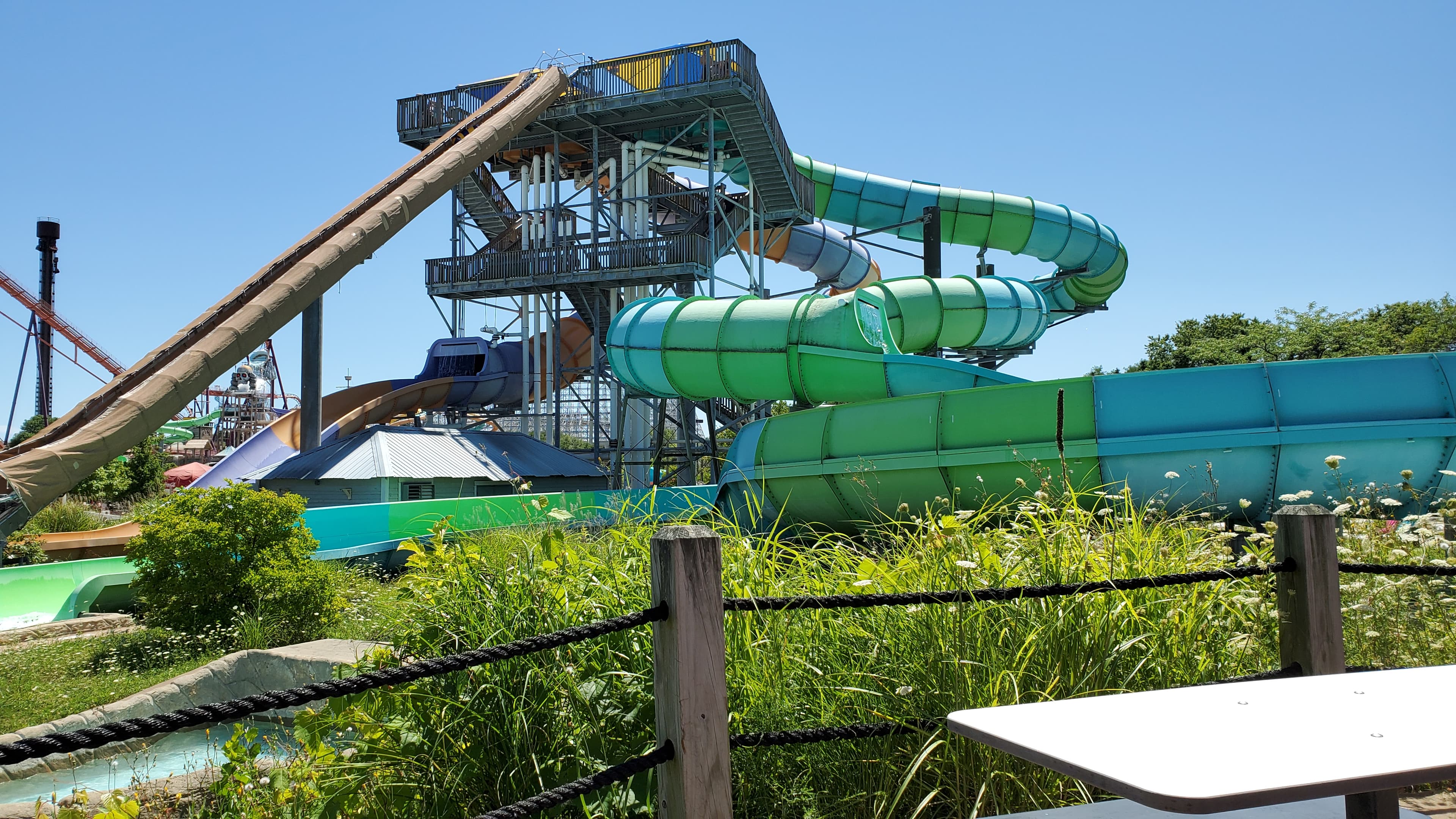
The rides that fill up fastest in this window are almost always the signature attractions — whatever the park put on its billboard. At Oceans of Fun, it was Cyclone. Everywhere else, it's whatever has the biggest drop or the most unusual gimmick. Go for those rides during opening hour, not mid-morning.
What's still manageable around 10:30-11? Lazy rivers, wave pools (if you don't mind company), and kiddie areas. Anything that's a "chill" attraction rather than a thrill ride tends to absorb crowds more easily.
The Lunchtime Lull: The Underrated Trick
Here's something I didn't fully appreciate until I started paying attention to crowd patterns across dozens of parks: between roughly 12:30 and 2 p.m., wait times at the slides drop noticeably. Sometimes dramatically.
Why? Because thousands of people are simultaneously hungry, and water parks have a captive food market that most families can't escape easily. The food lines get long, the picnic areas fill up, and a huge percentage of guests are simply not standing in ride queues. They're eating a basket of chicken strips and debating whether the $8 lemonade is worth it.
If you had a solid morning session, a shorter lunch can pay off in ride access. Eat at 11:45 or after 2 p.m., not at noon. Bring snacks to bridge the gap — most parks allow outside food in certain areas, though you'll want to double-check their specific policy. See how much a day at a water park costs in 2026 if you're budgeting around food too, because it adds up faster than the admission does.
The Brutal Middle: 2 P.M. to 4 P.M.
No sugarcoating this window. 2 to 4 p.m. is peak crowd, peak heat, and peak frustration. Walk times to get from one end of a large park to the other can take 15 minutes just because of foot traffic. Locker banks are jammed. The changing rooms smell exactly how you'd expect. Ride queues at marquee attractions routinely hit 60-90 minutes.
This is also when the sun is at its most punishing, which has a real safety dimension. If you're visiting with kids, especially under 10, this is rest-and-shade time. Most experienced park-goers I know use 2-3 p.m. as a break window — back to the hotel if you're staying nearby, or under a shade structure at the park with a cold drink. I'll check NOAA's hourly weather forecast the day before any park visit to know exactly how brutal the 2-4 p.m. stretch is going to be. On a 98-degree day, it's not just about crowds — it's a health decision.
If you must ride during this window, target attractions that stay partially shaded (enclosed tube slides, for example) or family raft rides where the queue moves faster per rider. Avoid anything that requires standing on open concrete for 45 minutes.
The Last 90 Minutes: One of the Best Hacks at Any Park
Most people start leaving around 4 or 4:30 p.m. — sunburned, tired, kids melting down. By about 5 p.m. at a park that closes at 7, you'll see wait times collapse. I've walked onto major slides during this window that had an hour wait at 2 p.m.
The caveat: you have to still have energy. If you arrived at 11 a.m. and you're running on fumes by 5, this doesn't help you. But if you built in that midday rest — or if you arrived in the early afternoon and skipped the brutal middle hours — this late window is legitimately excellent.
A few things to know about park closing periods:
- Staff starts shutting down attractions 30-45 minutes before official close. The slides that require the most maintenance or have longer shutdown procedures close first. If there's a specific ride you want to hit during the last-90-minutes window, do it closer to 5 p.m. than 6:30 p.m.
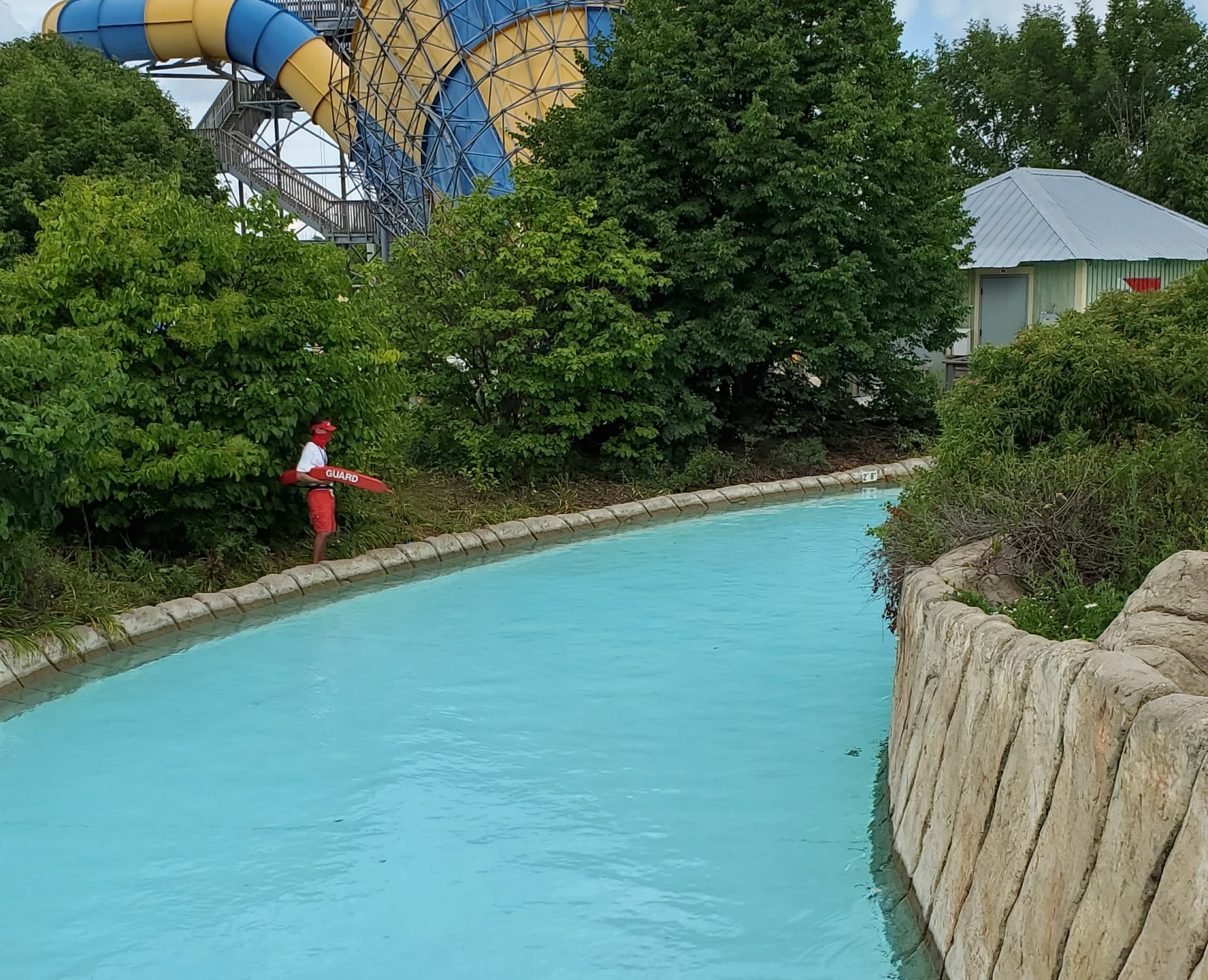
- The lazy river and wave pool tend to stay open until near-close and are almost empty in the last hour.
- Locker retrieval lines actually get long right at close, because everyone leaves at once. Retrieve your stuff at least 20 minutes before closing time.
Day-of-Week Patterns That Actually Matter
| Day | Crowd Level | Notes |
|-----|-------------|-------|
| Monday | Low–Medium | Best overall weekday |
| Tuesday | Low | Consistently the least crowded weekday |
| Wednesday | Low–Medium | Still good |
| Thursday | Medium | Starts picking up, especially in summer |
| Friday | High | Local crowds add to tourists |
| Saturday | Very High | Avoid if you have any flexibility |
| Sunday | High | Better than Saturday, but still busy |
Tuesday is the sweet spot for most parks. The logic is simple: Monday catches people who extended their weekend, Thursday and Friday attract locals who are off work. Tuesday and Wednesday are just quiet. If your schedule has any flexibility at all, move your visit to mid-week.
Saturday is in a class of its own at popular parks. I've seen parks like Typhoon Lagoon at Disney — which you can check capacity history for using Disney's own crowd calendar tools — hit functional capacity before noon on summer Saturdays. It's not just unpleasant; you're paying full price for a fraction of the experience.
Holidays deserve their own warning. Memorial Day, Fourth of July, and Labor Day weekends are the three most crowded periods of the year at most American water parks. If you're planning around those dates, arrive at opening, or honestly consider a different weekend. The same logic applies to the end of school in late May/early June — a wave of families hits at the same time.
Weather Timing: The One Variable Everyone Ignores
Here's something parks don't advertise: slightly overcast days with temps in the high 70s or low 80s are the best weather for a water park visit. You're wet the whole time anyway, you don't overheat, and fair-weather families stay home because it "doesn't look like a nice day." Wait times can drop 30-50% on a partly cloudy Saturday versus a clear, bluebird one.
The risk is actual rain. Most parks close slides when there's lightning in the area — and rightfully so. I check NOAA's hourly forecast for the park's zip code the night before and the morning of. If there's a 20% chance of afternoon thunderstorms (common in Florida and the Midwest in July), I plan to arrive early and be okay leaving by 3 if storms roll in. Often they miss entirely, but having that exit plan keeps the day from feeling wasted if the weather turns.
How This Changes Based on Park Size
The timing advice above applies most strongly to large regional parks — the kind with 20+ slides and 2,000+ guests on a busy day. Smaller parks and waterparks attached to hotels work differently. A smaller park might only have 500 guests all day, which means crowd patterns are less predictable and less extreme.
For Disney's Typhoon Lagoon or Blizzard Beach, Universal's Volcano Bay, or major chain parks like Six Flags Hurricane Harbor locations, every timing tip above is highly relevant. For a smaller local park or a water park hotel complex, opening hour still matters but the mid-afternoon lull is less pronounced because the park never gets that packed to begin with.
The Bottom Line
| Time Window | What to Do |
|-------------|-----------|
| Opening hour | Hit every major ride you care about |
| 10:30–noon | Finish rides, move to calmer attractions |
| 12:30–2 p.m. | Eat, rest, beat the food lines |
| 2–4 p.m. | Shade break, hotel rest, or accept long waits |
| 5 p.m. to close | Second riding session — genuinely good wait times |
The single most actionable thing I can tell you: arrive at opening and ride the big stuff first. Everything else is optimization around that core strategy. I still think about those summer mornings at Oceans of Fun — watching families arrive with their kids practically vibrating with excitement, the teenagers trying to act unbothered until they hit the drop on Cyclone and couldn't suppress the grin. None of that magic happens when you're standing in a 75-minute line at 2:30 in the afternoon. It happens in the morning, when the park belongs to the people who showed up early enough to claim it.
Brian Williams
Brian has been passionate about water parks since childhood and worked at one as a teenager. He founded Water Parks World to help families find the best water park experiences across America.